
This article provides general educational information and does not diagnose or treat a medical condition. Screening and treatment decisions should be made with a qualified healthcare professional who knows your health history.
“Early detection” is often used as a slogan, but its value depends on the condition, the quality of the test, and whether effective follow-up is available. Evidence-based screening focuses on tests shown to improve meaningful health outcomes.
What makes a screening useful
A useful screening program does more than find abnormalities. It targets a condition that matters, uses a reasonably accurate test, identifies a stage where treatment can help, and includes a clear path for confirmation and care.
Earlier is not always automatically better
Some tests can find changes that would never cause harm. False-positive results can lead to anxiety, expense, procedures, and complications. That is why reputable recommendations specify who should be screened and how often.
Follow-up is part of screening
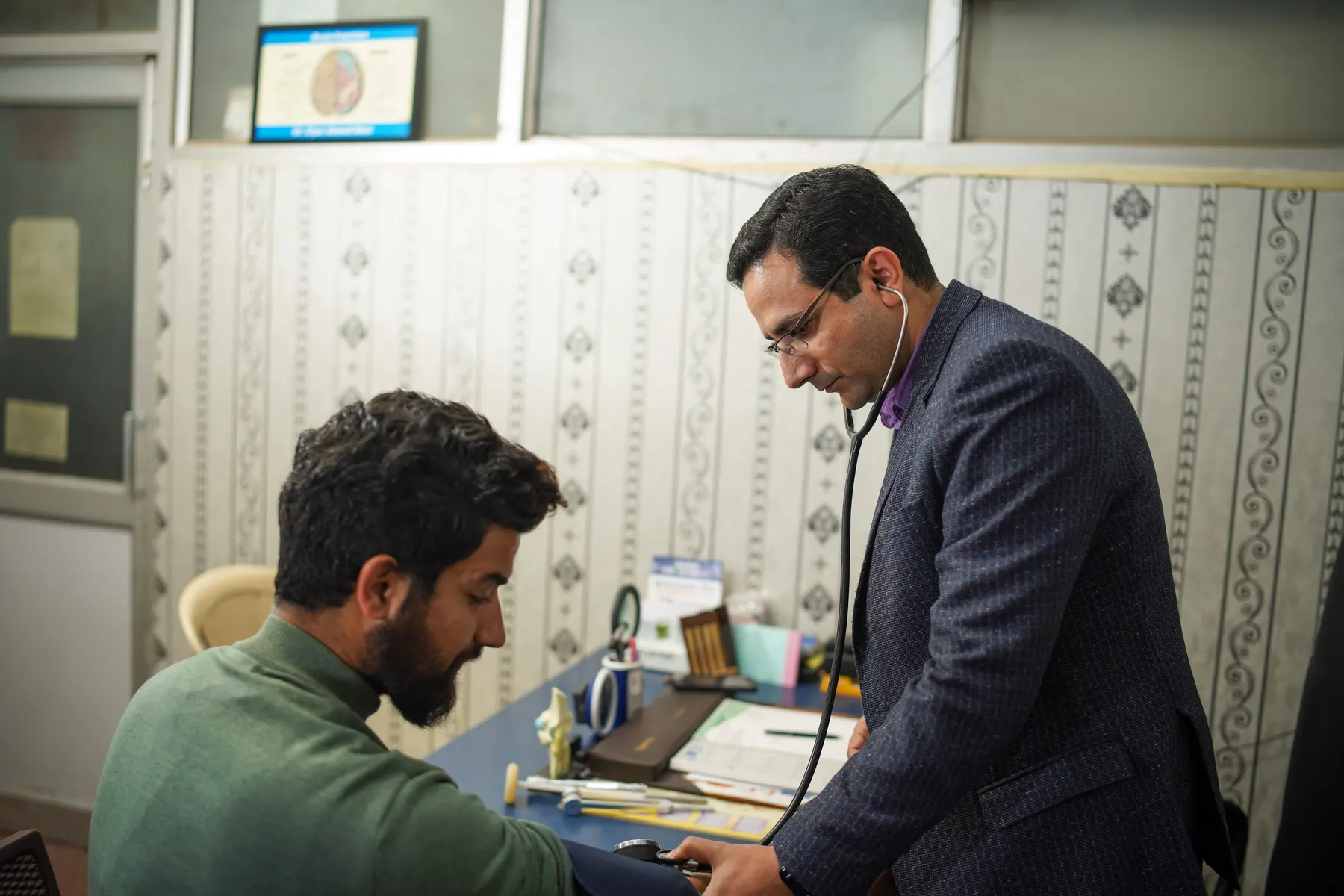
A screening test cannot help if an abnormal result is never explained or confirmed. Before testing, ask how results will be delivered, who is responsible for follow-up, and what will happen if additional care is needed.
Examples of conditions discussed in routine screening
- High blood pressure
- Diabetes and cardiovascular risk
- Selected cancers based on age and risk
- Depression
- Infectious diseases in people with relevant risk
- Osteoporosis in people who meet age or risk criteria
Know your history
Bring previous results and tell the clinician about close relatives with cancer, early heart disease, diabetes, or other important conditions. Family history can change when a screening begins or which test is considered.
Symptoms require evaluation, not routine screening
Screening applies to people without symptoms. Persistent bleeding, a new lump, unexplained weight loss, major changes in bowel habits, severe fatigue, or another concerning change should be evaluated directly.
Make the plan specific
At the end of the visit, write down which test is recommended, where it will be done, whether preparation is needed, when to expect the result, and when the next screening is due.
Sources
- U.S. Preventive Services Task Force: A and B Recommendations
- CDC: Preventive Care
- MedlinePlus: Health Checkup
Editorial responsibility: Canby Community Clinic. Updated: July 15, 2026.
Medical notice: This information is educational and does not replace an individual evaluation, diagnosis, or treatment plan. Call 911 in an emergency.