This article provides general educational information and does not diagnose or treat a medical condition. Screening and treatment decisions should be made with a qualified healthcare professional who knows your health history.
Families often face several barriers at once: cost, lack of insurance, language, transportation, limited appointment availability, and uncertainty about where to begin. Community clinics help by making the first step clearer and more accessible.
A familiar entry point for basic care
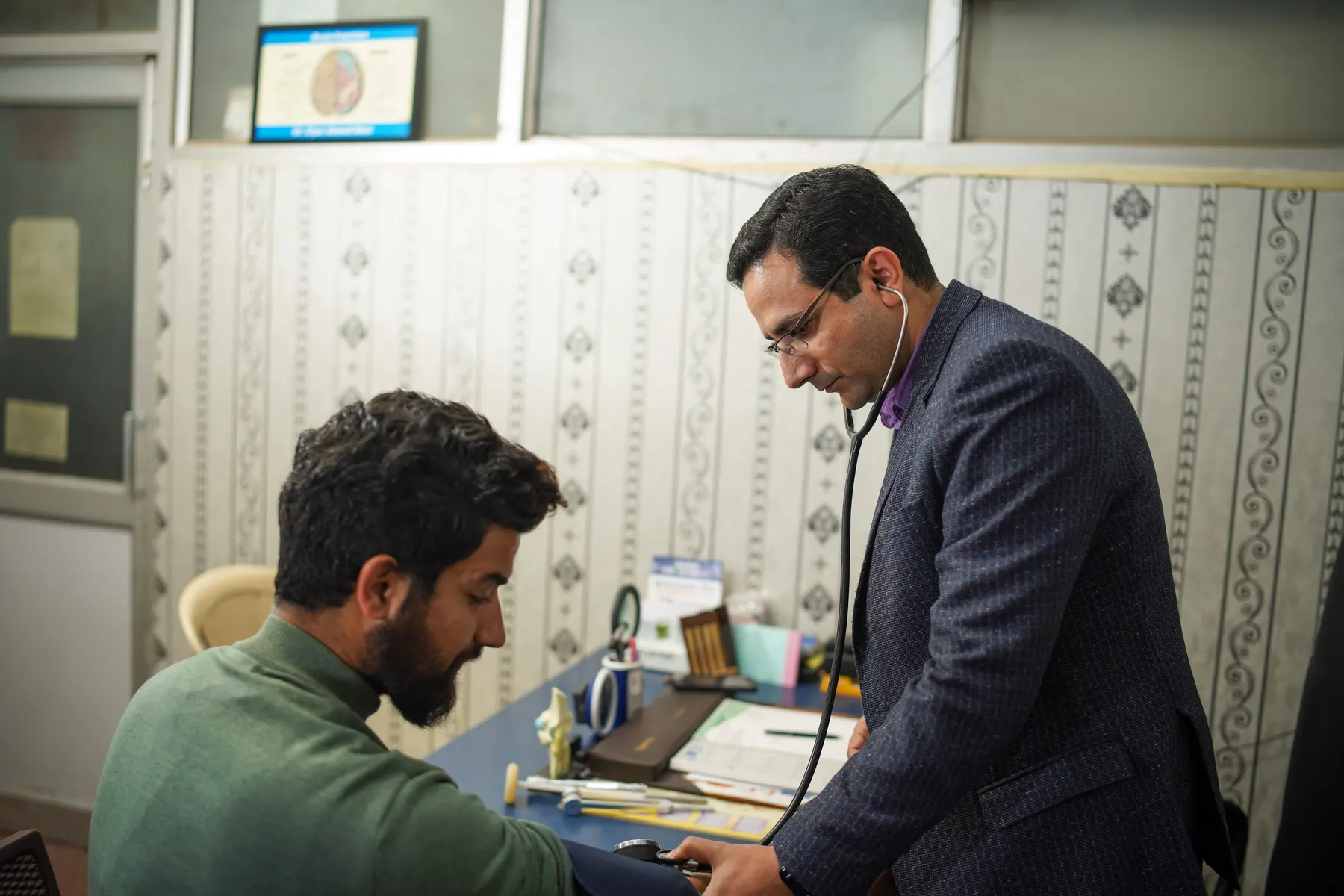
A community clinic can evaluate common non-emergency concerns, discuss preventive care, and help patients understand whether they need laboratory testing, medication, a specialist, or a higher level of care.
Care that recognizes practical barriers
A treatment plan is not useful when a patient cannot afford the medication, reach the referral, understand the instructions, or return during work hours. Community-based care can identify those barriers and connect patients with lower-cost programs or local support.
Health education for the whole household
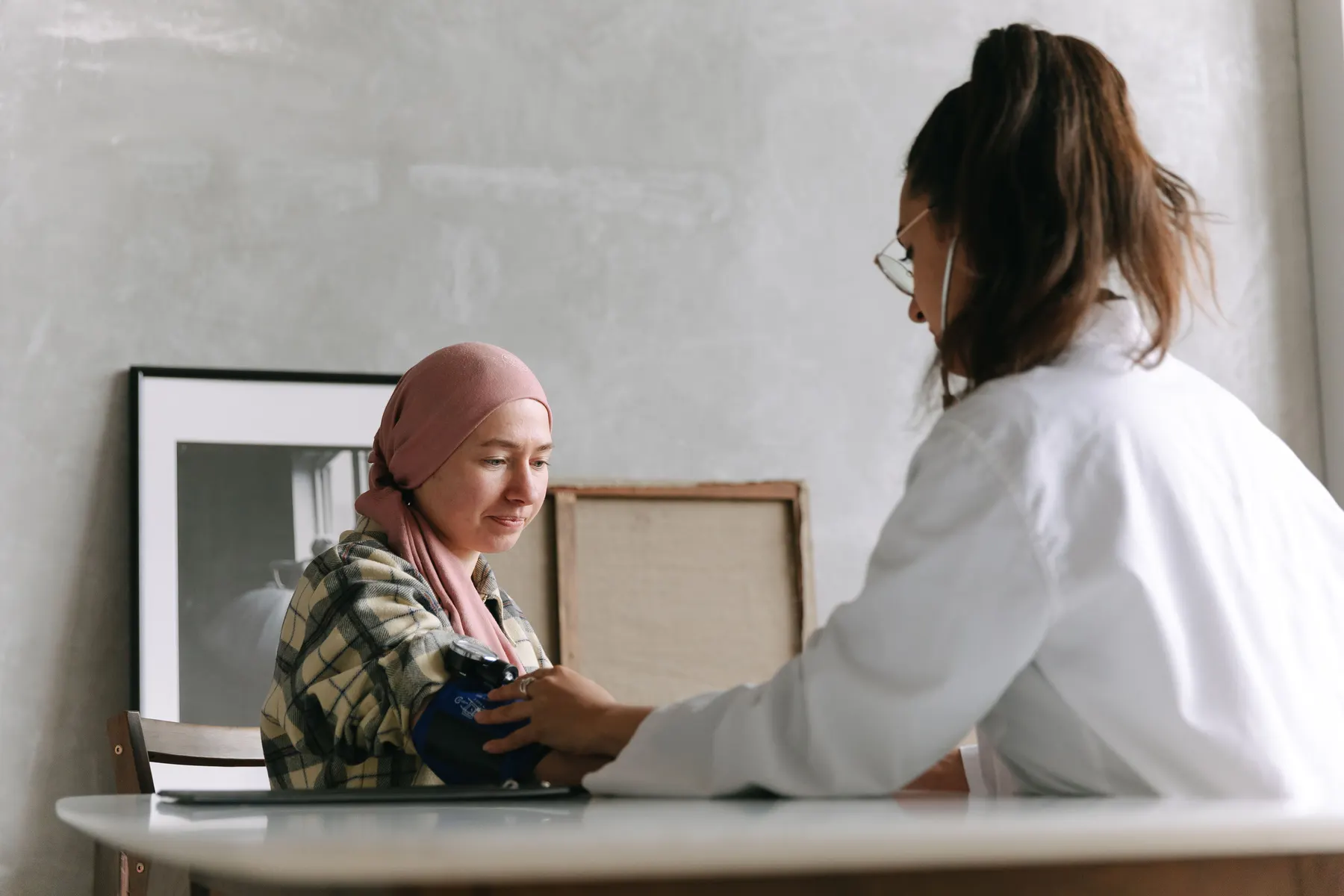
Clear information about medications, nutrition, blood pressure, diabetes risk, vaccination, and warning signs can help family members support one another. Education should be specific, culturally respectful, and available in a language the patient understands.
Connections beyond the clinic
Small clinics cannot provide every service. Their value also comes from knowing how to direct patients to county programs, public health services, insurance enrollment help, food resources, mental-health services, and specialists.
Volunteer power and community trust
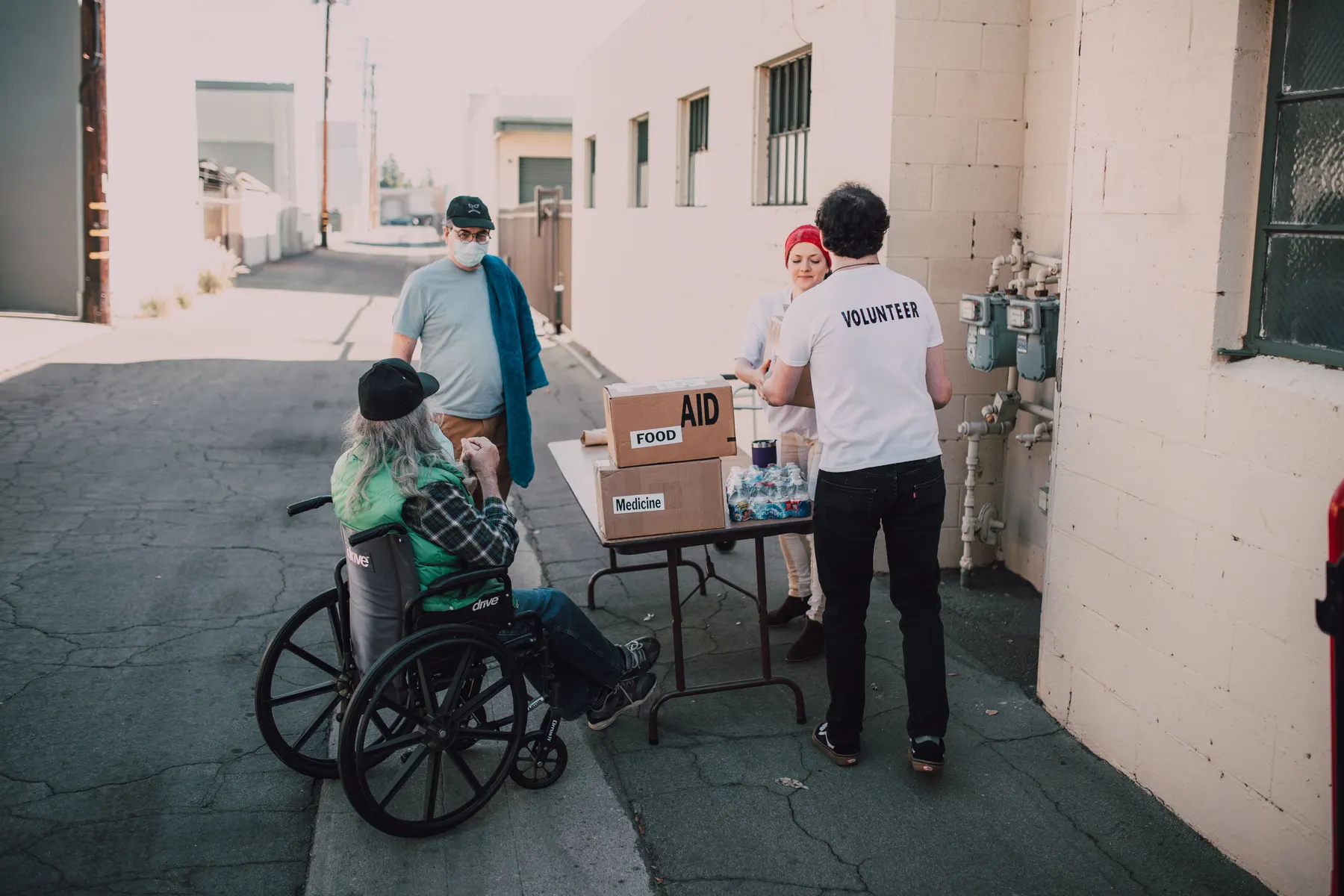
Licensed clinicians, pharmacists, interpreters, registrars, and administrative volunteers can expand a clinic’s capacity. Reliable supervision, credential verification, privacy practices, and clear roles are essential.
How to prepare before calling a community clinic
- Know the main reason you are seeking care.
- Ask about eligibility and cost.
- Confirm which services are available.
- Ask what documents and medications to bring.
- Ask how outside tests or referrals are handled.
What community clinics are not
A community clinic is not a replacement for emergency services. It also may not have every specialty, test, or medication. Clear communication about capacity helps patients reach the right level of care without delay.
Sources
Editorial responsibility: Canby Community Clinic. Updated: July 15, 2026.
Medical notice: This information is educational and does not replace an individual evaluation, diagnosis, or treatment plan. Call 911 in an emergency.