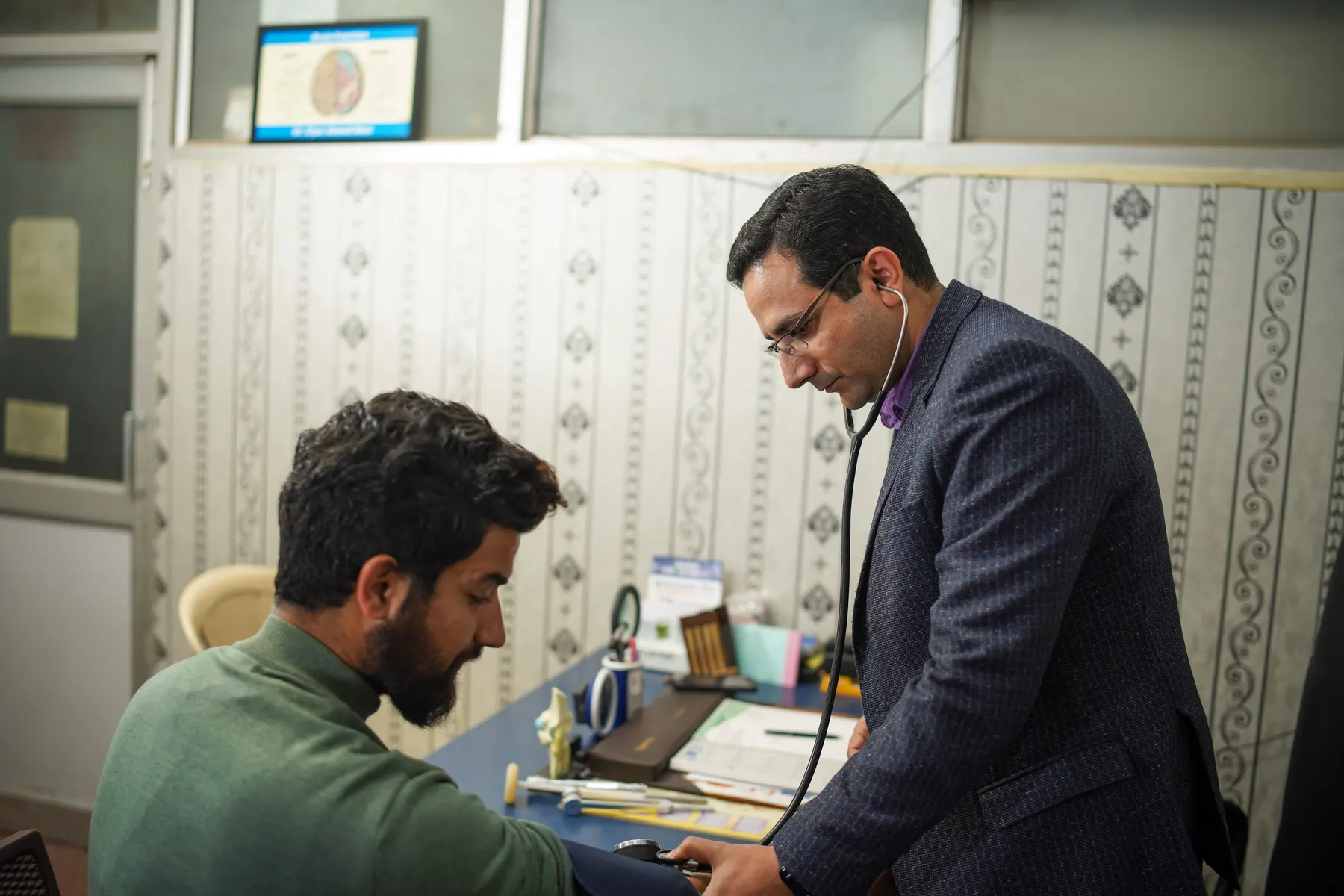

This article provides general educational information and does not diagnose or treat a medical condition. Screening and treatment decisions should be made with a qualified healthcare professional who knows your health history.
Preventive screening is designed to look for certain conditions before a person feels sick. The goal is not to order every possible test. It is to choose screenings with evidence that the benefits are likely to outweigh the harms for a particular person.
Screening and diagnosis are different
A screening test is usually offered to people who do not have symptoms of the condition being tested. A diagnostic test investigates a symptom, abnormal examination, or previous result. This difference matters because an abnormal screening result often needs confirmation before a diagnosis is made.
Why finding risk earlier can help
High blood pressure and early diabetes can be present without obvious symptoms. Some cancers are more treatable when found at an earlier stage. Screening can also open a conversation about smoking, depression, vaccination, nutrition, and other factors that affect health over time.
Why recommendations are not identical for everyone
Screening decisions can change based on age, sex, pregnancy, family history, previous results, medications, smoking history, and medical conditions. The same test may be appropriate for one person and unnecessary—or even harmful—for another.
Potential harms include false alarms, anxiety, additional procedures, cost, and finding a condition that would never have caused a problem. A clinician should explain both benefits and limitations.
Common topics discussed during preventive care
- Blood pressure and cardiovascular risk
- Diabetes risk
- Cholesterol
- Colorectal, breast, cervical, or lung cancer screening when appropriate
- Depression and other mental-health concerns
- Vaccinations
- Tobacco, alcohol, nutrition, movement, and injury prevention
Questions to ask
- Why is this screening recommended for me?
- What does the test involve?
- What are the possible benefits and downsides?
- How will I receive the result?
- What happens if the result is abnormal?
- When should it be repeated?
Do not wait for screening when symptoms are present
Screening schedules are for people without concerning symptoms. New bleeding, a breast lump, unexplained weight loss, persistent pain, severe fatigue, or another significant change deserves a direct clinical evaluation rather than waiting for a routine screening date.
Sources
- CDC: Preventive Care
- U.S. Preventive Services Task Force: A and B Recommendations
- MedlinePlus: Health Checkup
Editorial responsibility: Canby Community Clinic. Updated: July 15, 2026.
Medical notice: This information is educational and does not replace an individual evaluation, diagnosis, or treatment plan. Call 911 in an emergency.